1. Quick call, clear plan
You tell the team what was found and where. It explains how the sweep will go and what access it needs.
Fountainebleau, FL · Miami-Dade County
Worried about what is hiding in drawers, bags or a vacant building in Fountainebleau? Call (877) 812-4220. Crews check the whole space, collect sharps with tools and clean up afterward.
If anyone is in danger, call 911 first. For a suicide crisis, call or text 988.
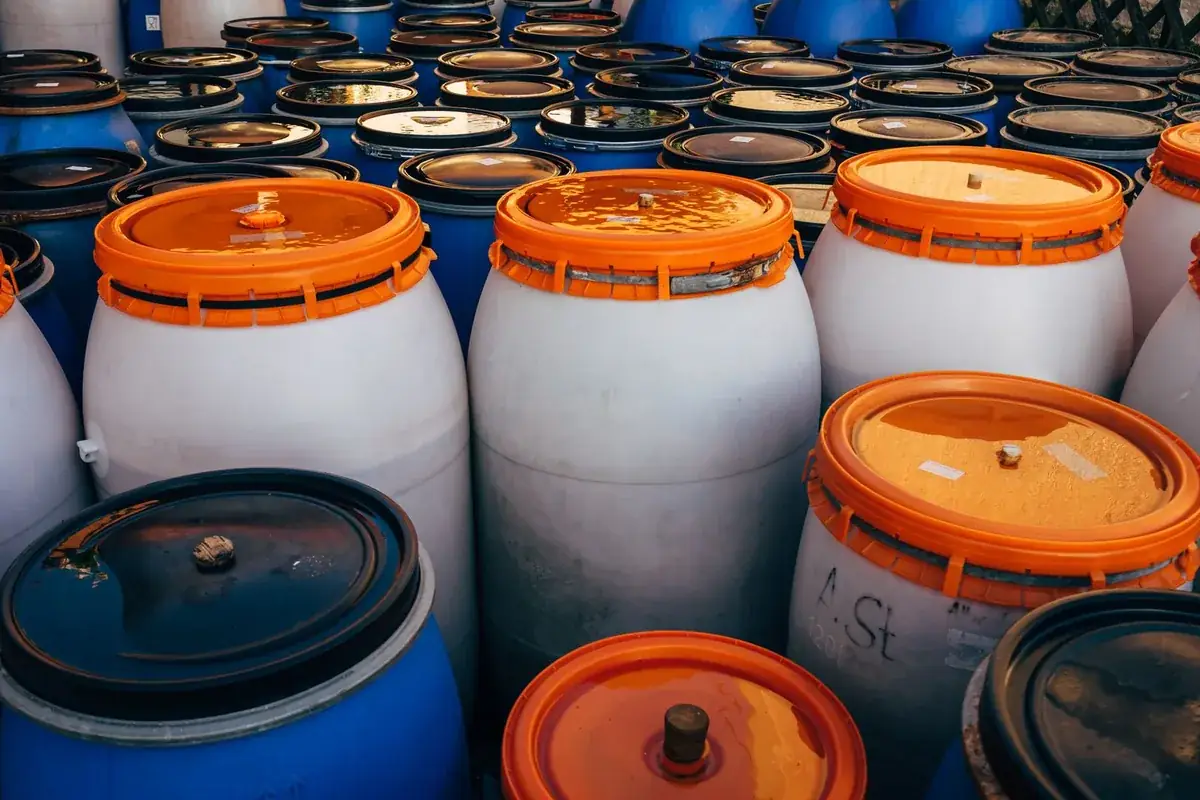
Hypodermic needles and other sharps can carry bloodborne pathogens, which are germs that spread through blood. Cleanup teams treat every needle as hazardous because there is no way to tell by looking.
You will not be judged when you call Fountainebleau Biohazard Cleanup Help about needles in Fountainebleau or Miami-Dade County. Crews focus on making the property safe and on disposing of sharps properly, following the rules for regulated medical waste.
With roughly 56% of Fountainebleau households renting, turnover is common and units are checked between tenants. Tell the doctor where the needle was found. The nearest emergency room to Fountainebleau is Keralty Hospital, about 3 miles away.
A typical needle & sharps cleanup job includes:
You tell the team what was found and where. It explains how the sweep will go and what access it needs.
Cleanup technicians wear puncture-resistant gloves, eye protection and boots for the sweep.
Tools lift each sharp into a container. Lids are locked, and containers are labeled for transport.
Containers go to a facility that treats medical waste, and the owner can ask for a record of what was found.
The cost of needle & sharps cleanup in Fountainebleau, FL depends on the amount of material, how it is packed and how it is hauled.
Disposal as regulated medical waste is part of the work, and treatment facilities charge by container or weight.
| Type of job | Typical range |
|---|
These ranges come from published cost guides () and are not a quote for Fountainebleau. Price drivers include number of items, where they are found, whether a sweep of a large area is needed, waste disposal. For a real number, call (877) 812-4220.
No. Do not search for them yourself. Tell the team what you have seen and where, and the crew will check the rest of the space in protective gear. Searching by hand is how many sticks happen.
No. Recapping or bending a used needle is one of the most common ways people get stuck. Leave it where it is and let a cleanup team lift it with a tool and place it in a container.
A local biohazard cleanup team can search the area and remove needles and other sharps. Some cities and health departments also help with found needles on public land. For a single needle outdoors, the health department is a good first call, and for anything bigger, a cleanup team.
Safer options exist. Many cities and health departments have programs for found needles and may give instructions or send someone. If you are unsure, do not touch it. Leaving a needle in place and keeping others away is safer than risking a stick.
A used needle can carry bloodborne pathogens such as hepatitis B, hepatitis C and HIV. The chance of infection from one stick depends on many things, and a doctor can explain what applies. Get medical care promptly after any stick or cut.
Sometimes. Some homeowners and renters policies cover cleanup after a covered event, and many do not cover needles on their own. Call your insurance company before work starts, take photos from a safe spot, and keep every receipt. Check your policy rather than assuming.
Ask about discreet arrival in an unmarked vehicle if privacy matters.
Call (877) 812-4220